
How can yard maintenance reduce mosquito breeding sites?
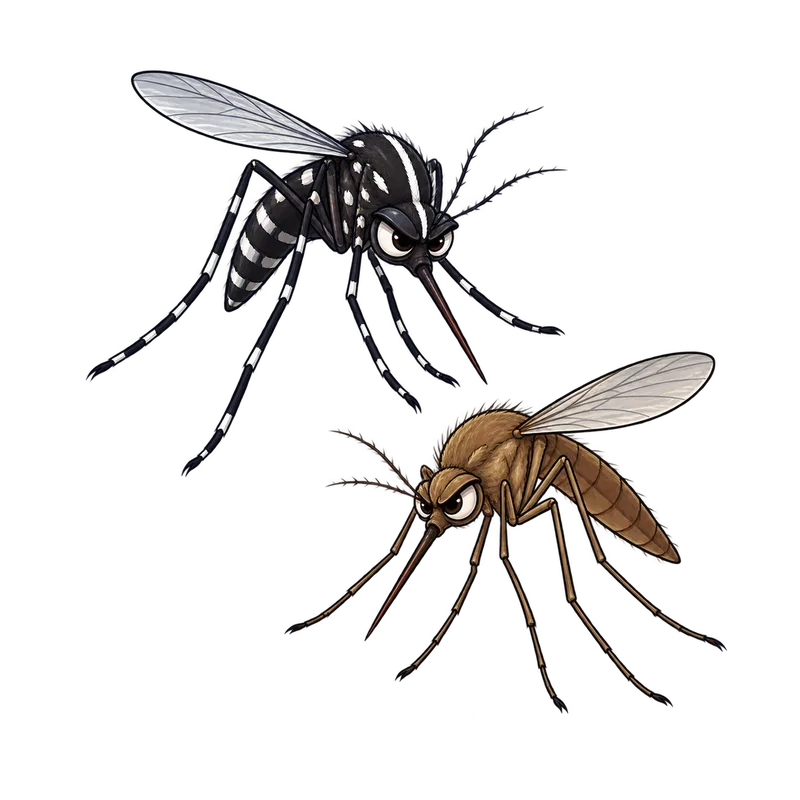
Yard maintenance reduces mosquito breeding sites by removing standing water every seven days to interrupt their life cycle before immature insects become adults. You also need to scrub container walls to destroy microscopic eggs and trim tall grass and dense shrubs to eliminate cool, shaded daytime resting spots.
What is actually going on
Picture a warm Friday evening. You step out onto the back patio with a cold glass of water, hoping to enjoy the dusk, and within thirty seconds you are slapping at your ankles and retreating indoors. You trace the swarm back to a forgotten saucer beneath a potted fern or that sagging piece of black plastic over the firewood pile holding a puddle of rainwater. It feels like an uphill battle against invisible enemies, but yard maintenance works because it targets the actual biological timeline of the insect. Mosquitoes do not materialize out of thin air or descend from the clouds in massive unprovoked armies. They need standing, non-flowing water to complete their life cycle.
From egg to winged adult takes surprisingly little time. In the heat of summer, that transition can happen in as little as five to seven days. That is why treating yard care as a weekly chore rather than a seasonal overhaul changes the math completely. When you empty water-holding containers every seven days, you interrupt the process before the immature insects can turn into flying biters. The larvae hang from the surface film of the water to breathe through tiny siphons. If you drain the water, they dry up and die.
Beyond the water itself, yard maintenance addresses where adult mosquitoes spend their afternoons. During the hot, blinding glare of midday, adult mosquitoes cannot tolerate direct sunlight or dry wind. They seek out cool, damp, shaded microclimates to hide until evening. Overgrown weeds against the foundation, thick lower branches of ornamental shrubs, and tall grass near the fence line act as an air-conditioned hotel for resting pests. Trimming that growth removes their daytime shelter and forces them off your property entirely.
How to tell for sure
If you want to know what is breeding in your yard, you usually have to look closely at the water sources. Not all standing water attracts the same insects, and the differences matter for how you fix the problem. Look into a birdbath, a rain barrel, or a bucket left out in the garden. If you see tiny, comma-shaped creatures jerking up and down beneath the surface film, you are usually looking at mosquito larvae.
You can generally tell the main culprits apart by their habits and where they lay eggs. One common group usually prefers stagnant water rich in organic matter, with females laying eggs in floating rafts that look like tiny specks glued together on the water surface. Other types, including aggressive daytime-biting varieties, usually prefer artificial containers. They do not lay rafts on the open water. Instead, they glue individual, microscopic eggs directly to the inner walls of a bucket, tire, or flower pot just above the water line. Those eggs are remarkably tough and can usually survive dry spells for months, waiting for the next rain to flood them.
People often mistake other harmless insects for mosquitoes. Crane flies, which look like giant mosquitoes with long legs, are completely harmless and do not bite. Non-biting midges also swarm near lights and water without posing any threat. If you are dealing with actual mosquitoes, however, the confirmation comes from the combination of standing water, wriggling larvae, and those familiar itchy bites later in the evening.
What usually comes next
The practical decision facing you is how to handle the water and foliage on your property without turning your weekend into an endless landscaping marathon. You generally want to start with a weekly walk around the yard to empty anything that holds rain. Simply tipping out a bucket or a flower pot saucer is a good start, but remember the trick of laying eggs on the container walls. If you just pour the water out, those glued eggs will survive and hatch the next time it rains. You usually need to scrub the inside of the container with a brush or rinse it thoroughly to break that cycle.
For water features you cannot drain, like decorative garden ponds or rain barrels, you need a different approach. Chemical sprays are rarely the best starting point here. Instead, biological larvicides containing specific bacterial toxins offer a targeted way to suppress larvae without harming birds, fish, or household pets. These products usually come in small floating donuts or granules that you drop into the water, where they disrupt the feeding larvae while leaving the surrounding wildlife alone.
Regarding the vegetation around your house, keep the turf mowed and prune back dense shrubbery so air circulates near the ground. If you decide to use chemical barrier sprays on resting foliage to knock down adult populations before an outdoor gathering, check the labels carefully and never apply those products to flowering plants where bees and other pollinators forage.
When to get help
Most yard management tasks stay firmly in the realm of everyday chores, but certain situations call for outside intervention. If you experience severe bite reactions, persistent fever, or widespread skin inflammation, consult a clinician or healthcare provider immediately, as pest information cannot diagnose medical symptoms.
On the property side, if you share a boundary with an unmaintained commercial property, a neglected swimming pool, or large municipal drainage ditches that constantly breed massive swarms, local public health departments or mosquito control districts usually step in to handle community-level vector suppression. For pet owners, before administering any chemical heartworm preventives to dogs, make sure to have them evaluated and blood-tested by a licensed veterinarian. Finally, remember that any pesticide application must follow the product label by law. If a standing water problem or a pest infestation exceeds what standard residential property maintenance can manage, contacting a licensed pest control professional is the safest route.