
Why are there mosquitoes in my house at night?
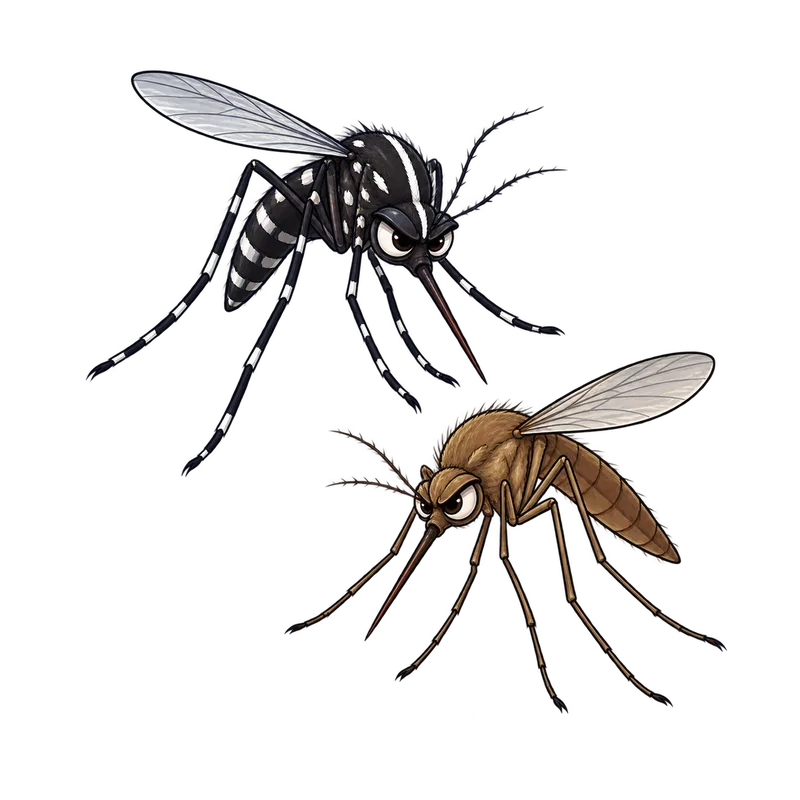
Female house mosquitoes and malaria mosquitoes get into your house at night because they are hunting species that come alive from dusk until dawn. These insects track you in the dark by following your body heat, skin moisture, and the carbon dioxide in your breath.
What is actually going on
Picture this. It is midnight, the house is pitch black and quiet, and you are just drifting off to sleep when you hear that familiar, high-pitched whine right by your ear. You turn on the bedside lamp, swat at empty air, and wonder how on earth a mosquito got into your locked-up bedroom in the middle of the night.
The short answer is that nighttime indoor biters are usually female house mosquitoes or malaria mosquitoes, most often belonging to specific groups that hunt from dusk until dawn. While daytime mosquitoes prefer to feed during morning and late afternoon hours, nighttime species come alive when the sun goes down. They track you through the dark by following the carbon dioxide in your breath, your body heat, and the natural moisture of your skin.
Once a female mosquito finds a tiny gap around an open window screen, an unsealed utility pipe, or an open door, she slips inside. She is not just looking to annoy you. She needs a blood meal to provide essential proteins for her eggs. After slipping indoors, she looks for cool, dark, and humid resting spots to hide out during the day, such as under bathroom sinks, behind heavy furniture, or inside closets. In some urban buildings, specific subterranean variants even breed in flooded basements or sewer lines beneath the structure, meaning they can find a way into your living spaces year-round without ever needing to come from the outdoors.
How to tell for sure
Before you blame a mosquito for those bumps, you usually want to make sure it is actually a mosquito and not some other harmless bug crashing your bedroom. True mosquitoes belong to a specific insect family, but houses often host lookalikes that share the same dark hours.
House mosquitoes are usually medium-sized insects, measuring roughly 4 to 10 mm long, with clear unspotted wings and a brownish body. When they land on a wall, they usually rest parallel to the surface. Other common biters look a bit different because their wing veins feature dark or light scale spots, and when they land, they tilt their bodies at a sharp angle with their abdomens pointing upward into the air.
You might also spot giant crane flies that look like oversized mosquitoes with very long, spindly legs, but these are completely harmless creatures that do not possess biting mouthparts and never feed on blood. Tiny fungus gnats or drain flies often flutter around indoor plants and plumbing lines, but they are also non-biting. If you are waking up with bites in a dry room where there is no standing water for miles, the culprit is usually something else entirely, like bed bugs or fleas, because mosquitoes cannot breed or lay eggs in dry mattresses, carpets, or upholstery.
What usually comes next
Dealing with nighttime indoor mosquitoes usually comes down to a practical choice between blocking them from getting in, clearing out their water sources, or protecting yourself while you sleep. Running a ceiling fan or an oscillating fan in your bedroom at night is one of the most effective quick steps you can take. Airflow disrupts their weak flight patterns and scatters the carbon dioxide plumes you exhale, making it much harder for them to home in on you.
When you want to stop them at the source, you have to look for standing water because every single mosquito goes through an aquatic stage before it grows wings. Check plant saucers, pet bowls, clogged rain gutters, and neglected buckets at least once every seven days, since warm summer water allows a whole new generation to hatch in just over a week. If you have permanent water features like rain barrels or decorative ponds that you cannot empty, using a natural biological larvicide will kill the larvae safely without harming household pets, birds, or fish.
If you choose to use topical skin repellents, look for registered active ingredients like DEET or Picaridin, and always check the product label for specific age restrictions. For example, certain plant-based oil products should never be used on young children under three years of age, and specific sprays are meant strictly for treating clothing and gear rather than human skin.
When to get help
Mosquitoes are more than just an itchy nuisance, as certain species can occasionally vector pathogens like West Nile virus or other arboviruses. If a bite develops extreme swelling, blistering, weeping, or spreading redness, or if you experience systemic signs like a fever, severe headache, confusion, or a stiff neck, you should seek an immediate evaluation from a clinician or an urgent care service.
If you are a pet owner, keep in mind that mosquitoes transmit canine heartworms to dogs and cats. Your dog must be tested for existing heartworm infections by a licensed veterinarian before starting any preventive medication. Furthermore, never use dog-formulated parasite products on cats, as concentrated synthetic pyrethroids can be severely toxic to felines.
When indoor mosquito numbers persist despite your best efforts to fix window screens and drain standing water, the problem may be originating from inaccessible subterranean sources, crawlspaces, or broken sewer lines. At that point, bringing in a licensed pest control operator or contacting your local mosquito control district is the safest way to track down the source and get the situation under control.