
What yard conditions attract mosquitoes?
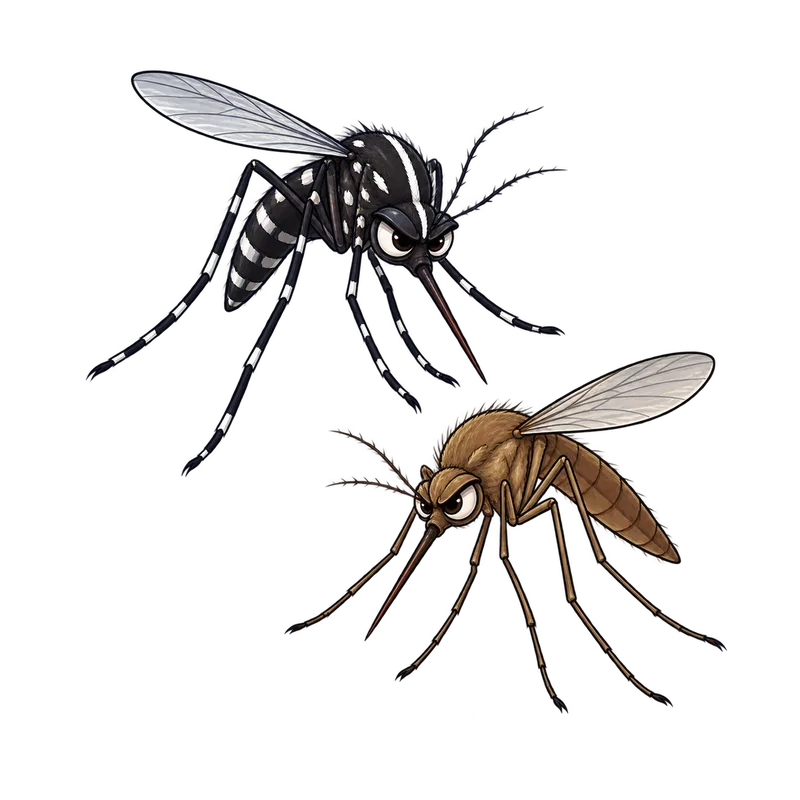
Mosquitoes are attracted to residential yards by three basic environmental magnets, and what they need depends on the time of day. They seek out stagnant water for laying eggs, dense and shaded vegetation that acts as daytime shelter from the sun, and the invisible chemical and thermal cues given off by warm-blooded hosts.
What is actually going on
Picture stepping out onto the back patio on a humid July evening, holding a cold drink, only to find yourself swarmed before you even reach the lawn chair. You might wonder what makes your particular yard such an inviting destination while the neighbor across the street sits outside unbothered. The short answer is that mosquitoes are drawn to residential yards by three basic environmental magnets: stagnant water for laying eggs, dense, shaded vegetation that acts as daytime shelter from the sun, and the invisible chemical and thermal cues given off by warm-blooded hosts.
Think of a leaf-clogged roof gutter as an elevated nursery. Out of sight and out of mind, trapped rainwater mixes with rotting leaves to create a warm, predator-free soup that can hatch thousands of wrigglers right above your head. On the ground, a single forgotten plastic flowerpot saucer holding a half-inch of water acts as an oasis on an otherwise dry concrete patio. Adult mosquitoes have a high surface area to volume ratio, which means they dry out and perish quickly in the sun. Without the shade and high humidity of dense ornamental shrubs, unmanaged tall grass, or damp leaf litter, they cannot survive the daytime heat. They use those cool, dark garden beds as resting staging areas before the sun goes down.
Once the environment suits them, the biology takes over with surprising speed. Female mosquitoes need a blood meal to supply the proteins required for egg maturation, while males stick exclusively to plant nectar. The females track down humans and pets using long-range plumes of carbon dioxide from respiration, body heat, and the volatile chemicals released by human skin. In warm summer weather, a complete generation from a tiny egg to a flying adult can happen in just a few days.
How to tell for sure
Before you can fix a mosquito problem, it helps to understand who is showing up uninvited. You usually have two main groups taking turns in a typical residential yard, and they keep very different hours.
The day shift belongs to small striped mosquitoes, often recognized by the striking black-and-white markings on their legs and bodies. These daytime biters usually prefer to breed in artificial containers like discarded buckets, tires, birdbaths, and clogged gutters. They usually stay close to home, typically flying only a short distance from where they hatched. If you are getting bitten on the ankles while weeding the flowerbeds at two in the afternoon, container breeders are usually the culprits.
The night shift belongs to mosquitoes that usually emerge from dusk to dawn. These evening biters prefer permanent or semi-permanent standing water, such as garden ponds, unmaintained swimming pools, or large drainage basins, where they lay their eggs in floating rafts. They rest horizontally on surfaces during the day and tend to target birds, though they will readily feed on humans and pets when birds are scarce.
You might also spot large, spindly insects flying around your garden in the spring and worry they are mutant mosquitoes. Those are usually crane flies or non-biting midges. You can tell the difference because crane flies lack biting mouthparts entirely, whereas true mosquitoes feature a distinct forward-pointing straw-like proboscis and scaled wings.
What usually comes next
People often grab bug zappers or light citronella candles when the bites start stacking up, but those common retail tricks rarely fix the actual problem. Studies show that ultraviolet light traps fry massive quantities of helpful insects while catching hardly any biting female mosquitoes, and they can easily lure even more pests straight into your yard from the outside world.
The real tactical choice that makes a difference is source reduction, meaning you have to take away the water they need to make more of themselves. Walk the property once a week to dump, scrub, flip over, or toss out any container holding stagnant liquid. Birdbaths and pet bowls need a proper scrub and refill at least every seven days to break up that fast multi-day life cycle.
If you have a water feature, a small decorative pond, or a rain barrel that you just cannot drain, treat that water with biological larvicides packed with specific naturally occurring soil bacteria. This stuff targets only fly larvae in the water and stays completely safe for birds, fish, household pets, and people. When dealing with yard plants, keep the grass cut short and thin out heavy ornamental bushes, particularly near the back door or patio, to get rid of the humid daytime resting spots adult mosquitoes love. If you decide to spray barrier treatments on foliage to knock down resting adults, always read the product label and never spray blooming flowers where bees and pollinators feed.
When to get help
Even though most backyard mosquito run-ins leave you with nothing worse than an itchy red bump, certain scenarios demand outside assistance. If public health officials put out warnings about vector-borne viruses running through your county, listen up and follow local municipal advisories.
Never try to diagnose skin reactions or systemic illness on your own from bug bites. Tell anyone in your house to get right to a doctor or an urgent care clinic if a bite spot starts showing signs of a secondary bacterial infection, like pus, expanding redness, or serious heat. Quick medical evaluation is also a must if systemic symptoms pop up within two weeks of getting bitten, including a high fever, severe headache, stiff neck, confusion, or sudden muscle weakness.
If your yard looks immaculate, you have cleared every possible standing water source, and the mosquito numbers still refuse to drop, the real breeding ground is likely coming from somewhere else nearby. Unmanaged neighborhood swimming pools, blocked municipal storm drains, or overgrown drainage ditches can easily flood your property with pests. In those situations, reach out to your local vector control district or a licensed pest management professional to check out wider community breeding spots.