
How can you repel horse flies from people?
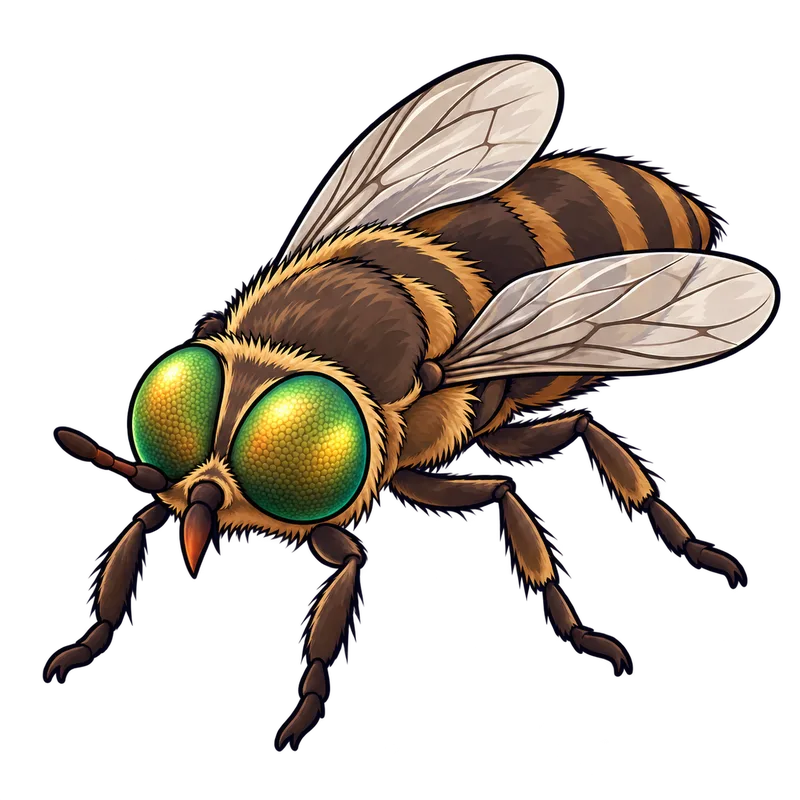
You can repel horse flies from people by using a multi layered defensive strategy that combines specific chemical repellents on your skin and treated clothing with deliberate choices about your wardrobe and walking routes. Apply an EPA registered topical repellent containing 10% to 30% DEET or 10% to 20% Picaridin to exposed skin, and treat your clothes with a permethrin based spray.
What is actually going on
You pull your car off the dusty gravel road, open the door for a morning hike near the marsh, and within ten seconds, a heavy, dark-bodied pest lands on your arm. Before you can even swing a hand to brush it away, a sharp, burning pinch hits your skin. You are dealing with a female horse fly, and she is not looking for nectar. She is after blood to mature her eggs, and she hunts using a mix of body heat, carbon dioxide, and visual contrast.
If you want to keep them off you, a standard bug spray you might grab for a backyard mosquito will not cut it. Repelling horse flies requires a multi-layered defensive strategy that combines specific chemical repellents on your skin, treated clothing, and a few deliberate choices about what you wear and where you walk.
Think of it as setting up a dual barrier. You need something on your skin to scramble their senses when they get close, and something on your fabric to stop them from biting through your clothes. Because these flies rely heavily on sight and movement, your wardrobe plays just as big a role as any bottle from the store.
How to tell for sure
Horse flies and their smaller cousins, deer flies, belong to a family of insects that are built for daylight and heavy impact. Horse flies are usually stout, bulky insects measuring three-quarters of an inch to an inch and a quarter long, with large, colorful, or metallic eyes and clear or uniformly tinted wings. Deer flies are usually smaller, around a quarter to half an inch long, sporting yellow-and-black patterns on their bodies and distinct dark bands across their wings.
The most telling sign of a horse fly is not just its size, but how it feeds. While mosquitoes use a needle-like tube to probe gently for a blood vessel, female horse flies act like miniature pairs of serrated scissors. They use bladelike mouthparts to slice open your skin and lap up the pool of blood that forms. This method, known as pool feeding, causes immediate pain and inflammation.
You will usually find them outdoors on warm, bright, sunny days near wetlands, coastal salt flats, streams, or wooded trails. They are powerful fliers that travel long distances from their larval breeding grounds in wet mud and shallows, which is why you see them miles from the nearest farm or marsh.
What usually comes next
Your best practical decision is to choose an EPA-registered topical repellent containing DEET between 10% and 30%, or Picaridin between 10% and 20%, and apply it strictly to exposed skin. If you are worried about DEET melting your sunglasses frames or synthetic watch strap, Picaridin usually makes the better choice because it leaves plastics alone while offering similar protection against biting flies.
At the same time, you need to treat your clothes with a permethrin-based spray before you head out, letting the fabric dry completely in a well-ventilated area. Never apply permethrin directly to your bare skin, as your body enzymes break it down too quickly for it to work. When you combine a skin repellent with permethrin-treated garments, you create a two-layer shield that stops these flies from landing and slicing into you.
Pair those chemicals with physical adjustments. Swap out dark navy or black shirts for light-colored, loose-fitting clothing, which helps blend you into the background against a fly's visual tracking system. If you are heading into heavy fly territory during peak sunny afternoon hours, tuck your pant legs into your socks and skip the shaded forest trails if the fly pressure is overwhelming.
When to get help
Most horse fly bites result in a raised red welt, localized swelling, and an annoying itch that lingers for a few days. Wash the bite area thoroughly with soap and clean water to keep bacteria out. However, if vigorous scratching breaks the skin and you notice spreading redness, increasing warmth at the site, or pus, you need to be evaluated by a healthcare clinician for a potential secondary bacterial infection.
Seek emergency medical attention immediately if you experience signs of a severe allergic reaction or systemic illness, such as widespread hives, facial or lip swelling, dizziness, nausea, chest tightness, or difficulty breathing. Horse fly saliva contains proteins that trigger rare hypersensitivity reactions, and these insects can also mechanically transmit pathogens like tularemia or anthrax if they bounce between multiple hosts.
If you run a livestock facility, commercial kennel, or outdoor venue where horse flies are congregating in overwhelming numbers, a residential repellent will not solve the underlying pressure. Consult a licensed pesticide applicator or a university agricultural extension specialist to inspect nearby drainage systems and discuss legal, integrated pest management strategies for the property.