
No-see-ums vs mosquitoes: why do screens differ?
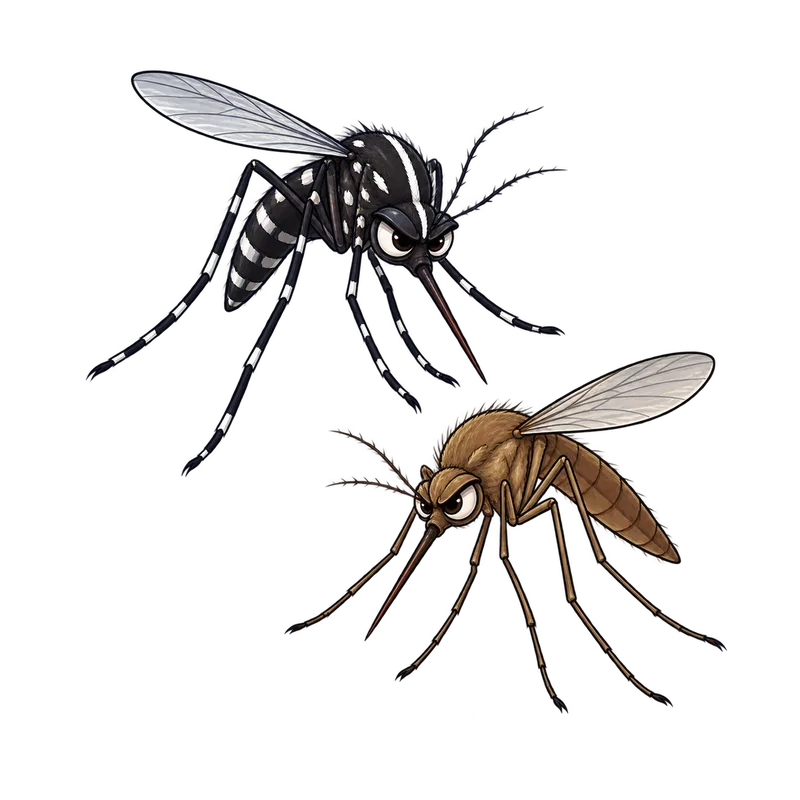
Standard window screens differ from no-see-um screens because standard sixteen-mesh screens feature one millimeter openings that stop mosquitoes, but biting midges measure only one to three millimeters long and slip right through. To block no-see-ums, you need a fine twenty-by-twenty weave screen that acts like a tea infuser.
What is actually going on
You are sitting on your screened-in porch on a warm summer evening, watching the light fade over the marsh. The breeze feels good, but after a few minutes, you notice tiny, pinprick bites blooming on your ankles and forearms. You check the window screens for holes, fully expecting to find a tear or a gap around the frame, but the mesh looks completely intact. You wonder how anything managed to get inside a house that is supposed to be sealed up tight against pests.
The short answer is that your screens are probably doing their job against mosquitoes, but they were never built to stop no-see-ums. Standard residential window screens feature a weave known as sixteen mesh per inch. That means there are sixteen little open squares packed into every linear inch of screen, which leaves individual holes measuring roughly one millimeter across. An adult mosquito is usually three to six millimeters long with a bulky thorax, making it entirely too large to slip through that opening. A mosquito hits a standard screen and bounces off like a tennis ball hitting a chain-link fence.
No-see-ums, which entomologists call biting midges, operate under completely different physical rules. These tiny creatures measure only one to three millimeters in length, and their narrow, flattened bodies are small enough to let them crawl or fly straight through a standard sixteen-mesh screen without slowing down. Comparing your window screen to a no-see-um is a bit like pouring cooked spaghetti through a coarse pasta strainer. The big stuff stays behind, but the tiny bits slip right through the gaps. To keep biting midges out, you need a fine-mesh screen with a twenty-by-twenty weave or tighter, which acts more like a fine tea infuser than a regular window screen.
How to tell for sure
Pinpointing which pest is sneaking past your defenses usually comes down to size, timing, and what the bite actually feels like. Mosquitoes are easy to spot because you can hear them coming. They make that characteristic high-pitched whine near your ear, and they measure up to six millimeters long, or even larger in the case of certain house mosquito species. They usually start feeding heavily around dusk and dawn, plunging an elongated proboscis straight into your skin to draw blood.
No-see-ums usually arrive in a silent swarm that looks a lot like someone sprinkled ground black pepper over your skin. Because they measure barely a fraction of an inch, you rarely see them until the damage is done. Instead of a long piercing needle, biting midges use short, broad, blade-like mouthparts to lacerate tiny skin capillaries and pool the blood before drinking. That mechanical slashing action tends to produce a disproportionately severe, burning welt that itches intensely for days.
You usually notice biting midges near coastal salt marshes, damp forest floors, or stream banks, especially around new and full moon phases when coastal species hatch in massive surges. Mosquitoes, by contrast, usually emerge from standing water in birdbaths, clogged gutters, or old tires left out in the yard. If you are getting bitten inside a room with closed windows and intact screens, look for tiny, dark specks congregating on the glass. That is usually a sure sign you are dealing with midges rather than mosquitoes, because mosquitoes generally rest on walls and ceilings rather than trying to squeeze through the mesh itself.
What usually comes next
Figuring out your next move usually begins with a hard look at the screens you already have. If your house sits near a creek, wetland, or salt marsh, simply patching a stray tear will not fix anything if the rest of the material is still standard sixteen-mesh. Swapping out that loose weave for a fine twenty-by-twenty mesh on your porch or frequently used windows remains the most dependable physical defense.
Beyond buying new mesh, you can take advantage of the fact that biting midges are terrible fliers. Because these bugs weigh virtually nothing, they cannot make any headway against a steady draft. Setting a ceiling fan going on the porch or setting up a box fan near an open window throws up an invisible block of moving air. Midges simply do not have the strength to fight their way through that breeze, keeping them from landing on your skin in the first place.
You should also look at your outdoor lighting, since both mosquitoes and these tiny midges love bright white bulbs. Trading your usual porch lights for yellow bug bulbs or sodium vapor lamps is like turning off the welcome sign at your back door. When you do head out during peak feeding times, pull on loose, long-sleeved shirts and pants and grab an EPA-approved repellent containing DEET, Picaridin, oil of lemon eucalyptus, or IR3535. Never put chemical repellents straight onto babies under twelve months old, and use fine-mesh netting draped over strollers and cribs to keep them safe instead.
When to get help
Most bug bites just itch for a bit and then go away, but some reactions mean you need to see a doctor. If someone in your house gets severe swelling, a nasty allergic reaction, or a secondary skin infection from scratching too much, get them to a clinic or an urgent care spot. Keep an eye out for redness that keeps spreading, pus, or a fever, which usually means bacteria got in through the broken skin.
When the bugs are just too thick and your own screens and fans are not cutting it, it is time to call in a licensed pest control pro. Treating the outer perimeter or running specialized foggers are jobs best left to someone who has the right training and gear to do it legally and safely. Remember that the product label is the law for any pesticide, and a professional knows how to treat your yard without wiping out the local pollinators.
If your home improvement plans involve sealing up gaps around an older house, keep in mind that bats and other animals love to move into attics, soffits, and crawlspaces. Bats eat a lot of bugs, but they are heavily protected by state and federal laws. You should never try to hurt bats or trap them inside a building when they or their young are hanging around. A wildlife expert can help you button up the house properly while keeping local rules and wildlife protected.