
What can mosquito larvae in a rain barrel tell you?
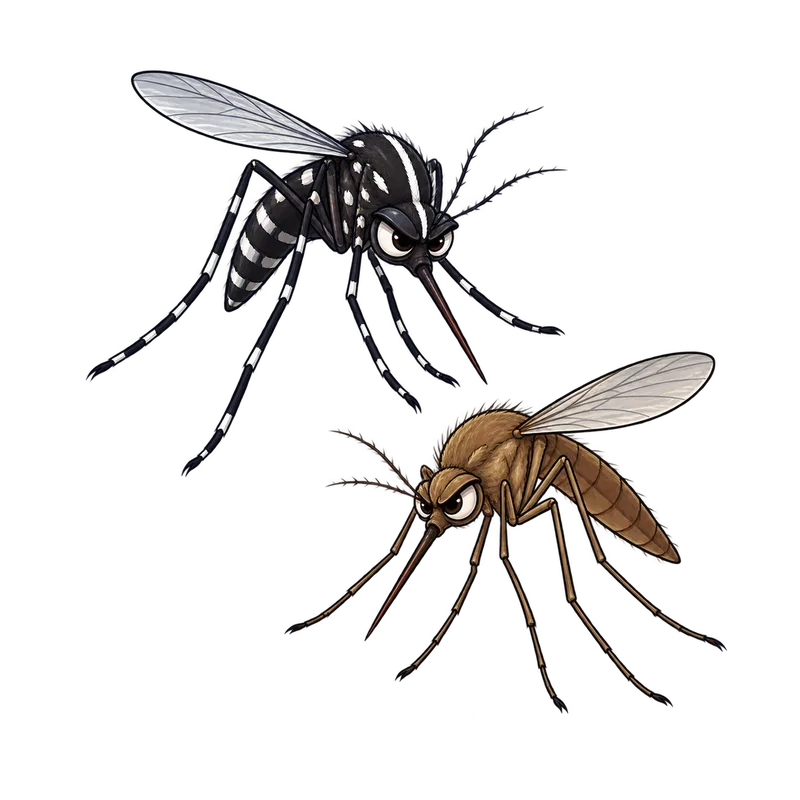
Mosquito larvae in a rain barrel tell you that the water has been sitting completely stagnant and undisturbed for at least five to seven days. Their presence also means your physical defenses have failed, either because an intake screen is missing, the mesh is too coarse, or a gap has formed around the downspout.
What is actually going on
Picture stepping out onto the back deck on a warm Tuesday evening to water the potted herbs, only to notice a subtle shimmering movement just beneath the surface of your plastic rain barrel. You tap the side, and a flurry of tiny, comma-shaped creatures instantly jerk downward into the dark depths. It is an unnerving sight, but those wrigglers are actually telling you a very specific story about your backyard infrastructure.
Seeing mosquito larvae in a rain barrel means the water inside has been sitting completely stagnant and undisturbed for at least five to seven days. Mosquitoes do not lay eggs in moving streams or aerated ponds because their offspring need a calm surface to survive. If you have wrigglers, it also means your physical defenses have failed somewhere along the line. Either the intake screen on top is missing, the mesh is too coarse to stop a determined insect, or a gap around the downspout diverter has rolled out the welcome mat. A single female mosquito can pull off a late-night visit and leave behind a floating raft of hundreds of eggs, turning your stored garden water into a bustling nursery before you even realize it.
Why would an enclosed plastic drum become a preferred nursery in the first place? Rain barrels collect organic debris like pollen, dust, and tiny bits of leaves blown off the roof, which breaks down into a nutrient-rich soup for growing larvae. The dark interior protects the developing insects from direct sunlight, while the thermal mass of the plastic keeps the water at a comfortable temperature.
How to tell for sure
Before you start dumping containers or buying treatments, you want to make sure you are actually looking at mosquitoes instead of harmless hitchhikers. Dip a small clear cup into the barrel and hold it up to the light. Mosquito larvae, commonly called wrigglers, usually hang suspended at an angle from the water surface with a tiny breathing tube poking up through the surface film like a snorkel. When you disturb the water, they move with a frantic, S-shaped wriggling motion that gives them away immediately.
You might also spot pupae, which look like little comma-shaped tumblers that roll around rather than swim, getting ready to hatch into flying adults. If what you see is a bright red worm-like creature whipping around in a figure-eight near the bottom debris, you are likely looking at non-biting midge larvae instead of mosquitoes. Midges lack that surface breathing tube entirely and pose no biting threat to you or your family. If the larvae hanging from the surface have a distinct head, a slightly swollen middle, and a terminal breathing siphon, you are dealing with true mosquito larvae. Depending on the species, they are usually preparing to complete their life cycle in just over a week when summer temperatures are at their peak.
What usually comes next
Once you spot those wrigglers, you are sitting on a straightforward decision. You can empty out the water completely or treat what is inside, but you have to move fast before those little tumblers turn into biting adults. If you decide to dump the barrel, make sure you scrub the inside walls with a firm brush. Some container-breeding mosquitoes like to glue their drought-resistant eggs right onto the dry plastic just above the water line, which means a basic rinse will leave those eggs sitting there, waiting for the next rain shower to hatch.
If you would rather keep that precious rainwater for your flower beds, you can treat the barrel with a biological larvicide containing a natural soil bacterium, usually sold as small floating donuts. This specific bacterium targets the guts of mosquito and fly larvae without hurting birds, household pets, frogs, fish, or your prized tomatoes, so your garden stays completely safe. Once you have emptied or treated the barrel, make sure to seal every entry gap with a fine wire mesh to stop the next wave of insects from moving right back in.
When to get help
Most rain barrel problems are easily fixed with a bit of elbow grease and a targeted biological treatment, but some situations definitely call for outside backup. If unmanaged standing water covers a massive commercial space or an abandoned lot nearby, or if local health officials warn about active virus transmission in your town, get in touch with your local mosquito control district.
If anyone in your house comes down with heavy symptoms like a high fever, sharp headaches, confusion, or severe joint pain after getting bitten, do not try to guess what is wrong in your living room. Take them straight to a doctor, an urgent care clinic, or public health authorities for a proper checkup. If you are worried about your dogs picking up heartworms from the local mosquito population, have a licensed veterinarian run a quick test before you start them on any preventative medications.