
What time of day are Asian tiger mosquitoes active?
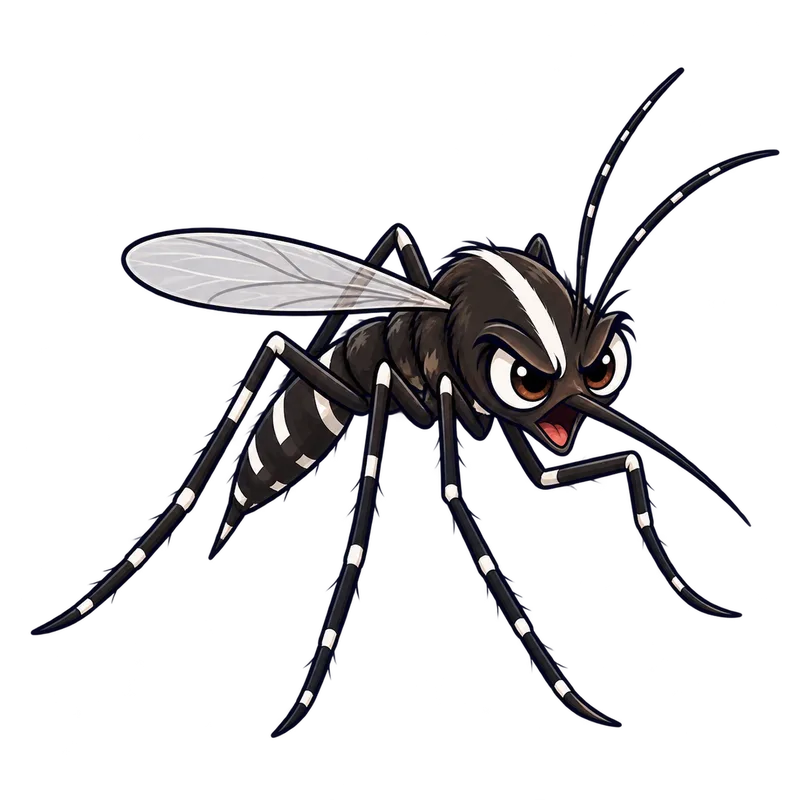
Asian tiger mosquitoes are strictly daytime biters that do most of their feeding during the early morning hours and again in the late afternoon. They will also bite right through the middle of the day if they find you in a shaded spot.
What is actually going on
You walk out to check your tomato plants on a bright Tuesday morning, wearing a wide-brimmed hat and assuming you are safe from pests until evening, and within two minutes something bites your ankle. That is usually how people first realize that Asian tiger mosquitoes do not follow the usual rules. Unlike common house mosquitoes that wait for the sun to drop behind the rooflines before they come out, Asian tiger mosquitoes are strictly daytime biters. They do most of their feeding during the early morning hours and again in the late afternoon, but they will happily bite right through the middle of the day if they find you in a shaded spot.
Why would a mosquito choose to fly around in the hot sun instead of waiting for cool twilight? In the open glare of a midday lawn, direct sunshine dries them out too quickly, so they generally stay put. But step into the cool, damp shade of an overgrown hedge, or wander along a path bordered by dense ornamental shrubs, and you will find them waiting. Those shady spots act like natural air-conditioned lounges where they can hide from the heat, and when you walk past, they pick up your scent and move in.
This habit catches a lot of people off guard because most folks associate mosquito bites with twilight barbecues and dusk. If you only start worrying about bugs when the sun goes down, you are leaving yourself completely unprotected during the hours these daytime biters are most active. They live right in your yard, too, and understanding their daily schedule is the first step to figuring out why your morning gardening sessions keep ending in itchy ankles.
How to tell for sure
If you manage to swat one before it flies off, you can usually verify what you are dealing with by looking at its back. Asian tiger mosquitoes are small, dark insects with a very distinct look, and they usually measure about five millimeters long with dark bands on their legs. The dead giveaway is a single, bold white line running straight down the middle of its black thorax, which is the middle section of its body just behind the head. It looks almost like a tiny painted racing stripe.
Do not confuse them with yellow fever mosquitoes, which have a more complicated white lyre-shaped pattern on their backs, or common house mosquitoes, which usually look like plain, dull brown insects without any striking markings. If you notice a dark mosquito with crisp white bands on its legs and that single white stripe down its back biting you at ten in the morning, you are almost certainly looking at an Asian tiger mosquito.
Another good clue is simply where they choose to hang out. If you find yourself getting bitten in broad daylight while sitting on a covered porch or trimming the bushes, look around closely for their breeding sites. They are container breeders, which means they do not need a natural pond, marsh, or drainage ditch to lay their eggs. Females usually seek out small artificial receptacles like clogged rain gutters, discarded tires, flower pot saucers, birdbaths, or even a forgotten plastic bucket left out in the grass. Because these mosquitoes usually fly no more than one or two hundred meters from where they hatch, finding one in your yard usually means the breeding source is hiding somewhere on your property or right next door.
What usually comes next
Once you realize you have daytime biters ruling the yard, the most practical decision you can make is to hunt down and eliminate their breeding containers rather than running out to buy foggers. Spraying chemicals around the yard offers only temporary relief, but tipping over a stagnant saucer or scrubbing out a birdbath breaks the cycle at the source. Walk your property once a week and empty every last drop of standing water you find in toys, tarps, gutters, and pots.
If you happen to have a decorative pond or a rain barrel that you cannot easily empty, you can treat the water with biological larvicides containing Bacillus thuringiensis israelensis, which is commonly known as Bti. This is a naturally occurring soil bacterium that targets mosquito larvae without harming pets, fish, birds, or other wildlife. When you are outside during their morning and afternoon feeding peaks, wear light-colored, loose-fitting clothing and use an EPA-registered personal repellent containing DEET, Picaridin, or oil of lemon eucalyptus.
When to get help
Sometimes a backyard infestation gets completely out of hand, or the local container sanitation just cannot keep up with a dense neighborhood population. If your yard remains unusable despite your best efforts to eliminate standing water and clear out dense vegetation, it is usually time to bring in a licensed pest control operator. They can inspect your property thoroughly and apply targeted residual treatments to the shaded resting sites where adult mosquitoes hide.
On the health side, Asian tiger mosquitoes can occasionally transmit serious viruses such as dengue, chikungunya, and Zika, alongside dog heartworm for pets. While most bites simply result in standard itching and minor swelling, you should pay attention to how you feel afterward. If a bite victim develops a high fever, severe headache, confusion, joint pain, or a widespread body rash within two weeks of exposure, skip the home remedies and seek prompt evaluation at a healthcare clinic or urgent care facility. Dog and cat owners should consult a veterinarian for proper diagnostic testing before starting any heartworm preventative medication.