
What repels black flies?
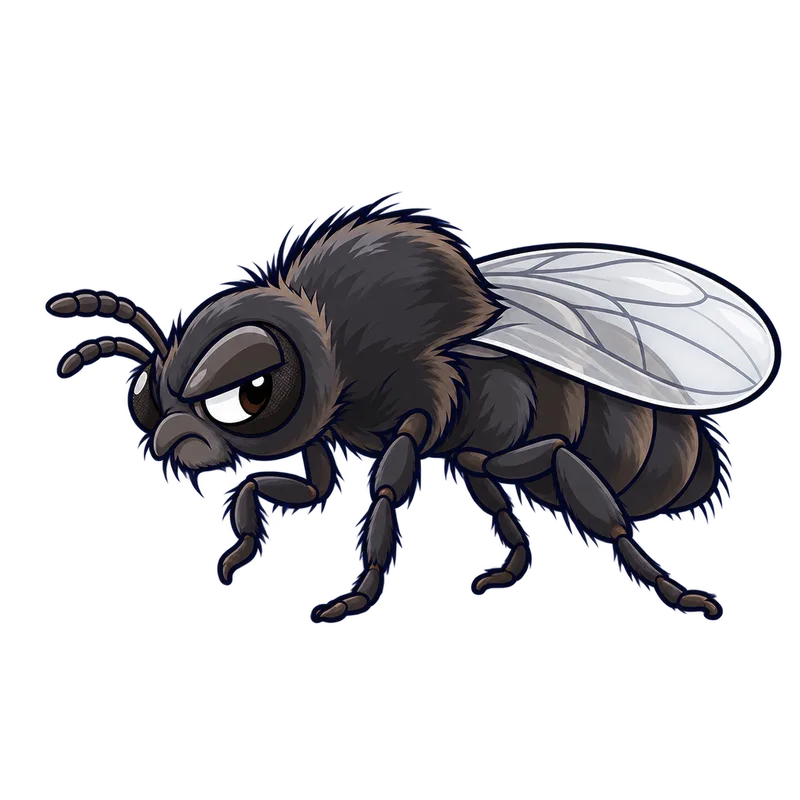
Black flies are repelled by topical products containing DEET, picaridin, oil of lemon eucalyptus, or IR3535. These active ingredients scramble their sensory receptors to mask your presence. You can also use permethrin spray on your clothing, boots, and hats to stop them instantly on contact.
What is actually going on
Picture stepping out onto the back porch on a crisp spring morning, coffee mug in hand, ready to inspect the garden after a wet week. Within two minutes, you notice a cloud of tiny, dark insects hovering around your face and ankles, leaving behind sharp, pinprick bites that somehow hurt much more than a typical mosquito sting. You are dealing with black flies, often called buffalo gnats because of their distinctive humpbacked profile. If you want to keep them off your skin, you need a combination of topical repellents containing DEET, picaridin, oil of lemon eucalyptus, or IR3535, paired with treated clothing and physical barriers.
Why do standard backyard defenses fall flat against these tiny pests? Mosquitoes breed in the stagnant water of a neglected birdbath or a puddle in an old tire, meaning you can often make a dent in their numbers by tipping things over. Black flies operate differently. Their larvae require clean, fast-flowing, highly oxygenated rivers and streams to develop. Because an adult female can fly up to 15 miles away from the nearest running water to find a blood meal, pouring vinegar down your rain barrel or spraying your lawn will do nothing to stop them.
You cannot eliminate them at the source in your backyard, so your defense has to focus entirely on personal protection. That means disrupting their host-seeking behavior, which relies heavily on body heat, carbon dioxide, and visual cues. They prefer dark-colored clothing and actively crawl under loose fabric cuffs or waistbands to find bare skin. This is why spraying your ankles and neck with a repellent is only half the battle. You have to think about how you dress and where those little invaders can slip through your armor.
How to tell for sure
Identifying a black fly usually comes down to size, shape, and behavior. These insects are tiny, measuring roughly one-sixteenth to one-half of an inch long. They are usually black, dark gray, or charcoal. If you manage to catch one under a magnifying glass, you will notice a shiny, strongly arched thorax that gives them that humpbacked buffalo look, along with short legs and broad, clear wings.
Behavior is another massive giveaway. Black flies are strictly daytime biters. They love calm, overcast periods, especially the hours right before a rainstorm when the air feels heavy and still. Unlike mosquitoes that use a needle-like proboscis to sip blood quietly, female black flies use scissor-like mouthparts to slash open the skin and lap up the pooling blood. You usually will not feel the cut immediately because of numbing compounds in their saliva, but you will notice a tiny drop of blood at the site. Within an hour, your immune system reacts to the foreign proteins, resulting in intense itching, localized swelling, and a hard red bump that can linger for days.
What usually comes next
When a heavy swarm of black flies rolls in, you are forced to choose between staying indoors until the weather shifts or gearing up correctly for the open air. If you decide to brave the outdoors, skin-applied repellents form your frontline defense. Check the label for active ingredients like DEET, picaridin, oil of lemon eucalyptus, or IR3535. These formulas scramble the sensory receptors of host-seeking females, effectively masking your presence from them.
Repellents applied directly to the skin generally fall short if your clothing has gaps, since these pests love to crawl. Your best move is treating your outer layers, boots, and hats with permethrin spray and letting the fabric dry completely ahead of time. Permethrin functions as a contact killer and repellent that stops crawling bugs instantly. Match that treatment with pale, loose long sleeves and full-length trousers. Tuck your shirt securely into your waistband and pull your socks up over your pant legs. When walking deep into a river basin during the peak spring hatching season, a fine-mesh head net draped over a wide-brimmed hat is worth wearing. It might feel a bit dramatic, but it keeps the swarm away from your eyes, ears, and neck.
When to get help
Most bites result in temporary irritation, swelling, and itching that resolve with simple first aid and an ice pack. Certain scenarios, though, call for professional attention right away. If you notice signs of a severe allergic reaction, like widespread hives, dizziness, nausea, trouble breathing, throat constriction, or facial swelling that closes your eyes, get emergency medical help immediately.
Secondary bacterial infections are a genuine concern with relentless insect bites. Scratching tears open the delicate skin barrier and lets bacteria get inside. If a bite starts showing spreading redness, intense heat, pus, weeping blisters, or red streaks traveling outward, make an appointment with a clinician or drop by an urgent care clinic. For livestock owners facing massive swarms that cause severe stress or blood loss in animals under extreme conditions, reaching out to a veterinarian or an agricultural extension office is the smartest route.