
Why are black flies in the bathroom?
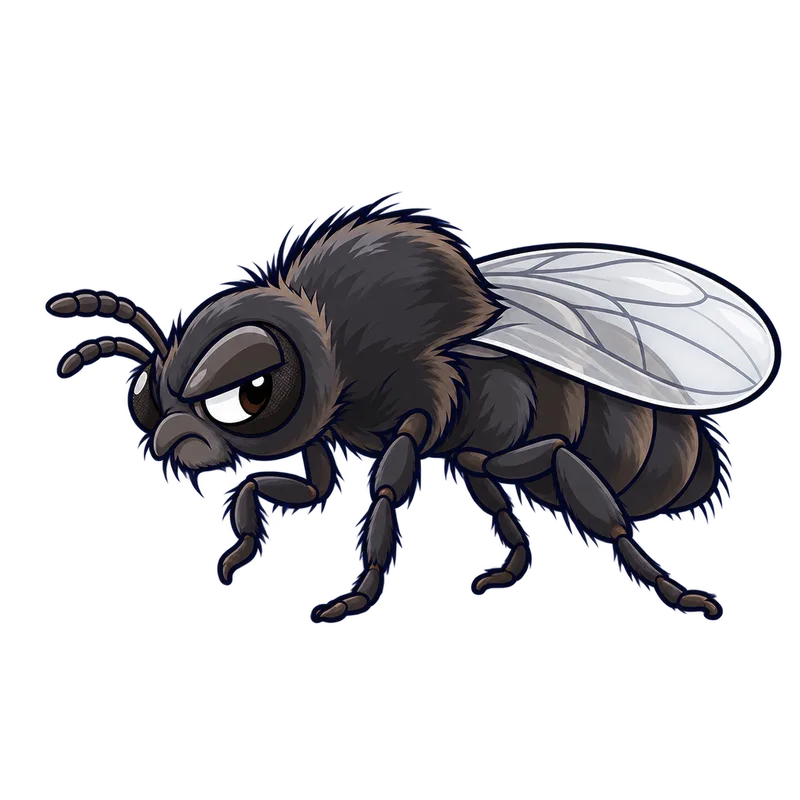
Black flies in the bathroom are actually domesticated insects like drain flies, phorid flies, or fungus gnats. These tiny pests are drawn to the high humidity, steady warmth, and organic waste found in your plumbing and houseplants. True biting outdoor black flies cannot colonize indoor pipes because they require fast-flowing rivers to lay their eggs.
What is actually going on
You walk into the bathroom to wash your hands before dinner, and a tiny, fuzzy speck darts off the edge of the faucet and lands on the mirror. You squint at it, wondering where it came from, and then you notice another one clinging to the tile grout near the shower. Your first thought is probably that some stray bugs blew in through an open window, or maybe those famous outdoor biting black flies found a way inside your house.
The short answer is that dark flies appearing in residential bathrooms are almost never true biting black flies. Those outdoor pests need fast-flowing, oxygen-rich rivers and streams to lay their eggs, and they simply cannot colonize your plumbing. Instead, the tiny visitors buzzing around your bathroom are synanthropic flies, which is just a fancy way of saying they are domesticated insects that thrive right alongside humans. They include drain flies, phorid flies, and fungus gnats.
These little creatures are drawn to your bathroom because it provides everything they need to survive: high humidity, steady warmth, and a reliable supply of organic waste. When you see them hovering near the sink or shower, they are usually emerging from the hidden plumbing lines beneath your fixtures. A bathroom is essentially a luxury resort for them, complete with damp surfaces and endless food sources.
The most common culprit is the drain fly, often called a moth fly because its wings are covered in tiny hairs that give it a fuzzy, moth-like look when it rests on a tile. Another frequent visitor is the phorid fly, a tiny scuttling insect with a distinctively humped back that prefers to run across your counter in short, nervous bursts rather than fly away. If you have houseplants sitting on the windowsill, you might also be dealing with dark-winged fungus gnats that breed in damp potting soil.
How to tell for sure
Figuring out which bug you are looking at is usually quite simple if you take a close look at its shape and how it moves. Drain flies are tiny, usually measuring between 1 and 5 mm, and they have broad, leaf-shaped wings that they hold roof-like over their bodies at rest. They are weak fliers, so if you try to swat one, it usually just hops a few inches rather than zooming across the room. If you happen to have a 10x magnification hand lens lying around, you would see the fine hairs covering their wings and their distinctive parallel veins.
Phorid flies are built differently. They are also tiny, but they have a sharply arched thorax that gives them a humpbacked appearance. If you watch one on the bathroom counter, you will notice they prefer to scuttle in rapid, jerky runs across the surface instead of taking immediate flight. Their hind legs are noticeably enlarged and flattened. They do not have the fuzzy look of a drain fly, and they usually have dark eyes.
Fungus gnats look more like miniature mosquitoes with long legs and delicate, segmented antennae. They usually hover slowly around bathroom lights, window sills, or the soil of potted ferns and houseplants. If you inspect the potting soil, you might occasionally spot their slender, translucent-white larvae with shiny black head capsules.
If you live in a rural or mountainous area during the spring or autumn, you might occasionally find larger dark flies sitting on your bathroom windows. These are usually overwintering cluster flies or blow flies that migrated out of your attic walls or roof voids on a warm afternoon, looking for a way back outside. They are not breeding in your plumbing either, but rather using your home as a winter shelter.
What usually comes next
The single most practical decision you can make right now is to stop wasting money on standard household cleaners, and instead track down exactly which drain is hosting the infestation. Homeowners often make the mistake of dumping chemical insecticides, bleach, or boiling water down the sink, assuming it will solve the problem. In reality, your bathroom pipes are lined with a gelatinous biofilm, which is a sticky matrix of bacteria, fungi, grease, soap residue, and shed skin cells. Bleach and hot water simply rush past this slime without breaking it down, leaving the fly larvae safely protected underneath.
To confirm your suspicions, try a simple tape test before you go to bed tonight. Take a piece of clear packing tape and place it sticky-side-down across half of the suspected drain opening, leaving small gaps at the edges for airflow. Leave it there overnight. When you wake up, check to see if any emerging adult flies got stuck to the adhesive on their way out of the pipe.
Once you identify the guilty drain, your main task is mechanical and biological cleaning rather than chemical spraying. You need to physically scrub the interior walls of the pipe and the curved trap section beneath the sink using a long, stiff-bristled pipe brush to break up that slimy biofilm. Follow that physical cleaning with a specialized enzymatic or microbial drain cleaner containing live bacteria that digest organic scum. Doing this removes the breeding ground entirely, which cuts off the fly population at the source.
When to get help
Most bathroom fly issues can be resolved with thorough cleaning and proper moisture control, but there are certain situations where you need to call in outside help. If you have scrubbed your drains repeatedly and used enzymatic cleaners, yet the phorid flies keep coming back in large numbers, you might have a broken sewer pipe leaking underneath your concrete slab foundation or behind a wall. Phorid flies excel at finding sewage-soaked soil beneath a house, and they can emerge continuously through tiny cracks in tiles or floor joints. In that case, you need to contact a licensed plumber who can run a fiber-optic camera through your lines to locate the structural breach.
You should also reach out to a professional pest control operator if you are managing a commercial property, a multi-unit building, or an extensive infestation where structural voids or complex commercial plumbing lines are involved. They have access to specialized equipment and foaming agents that can reach inaccessible breeding sites safely.
On the health side, flies that breed in organic waste can mechanically transfer bacteria like E. coli or Salmonella on their bodies if they land on toothbrushes, towels, or counters. While occasional bathroom gnats are mostly just a nuisance, anyone experiencing persistent skin irritation, painful bites, or allergic symptoms should consult a qualified clinician or dermatologist. If someone reports invisible insects biting or burrowing under their skin indoors when no physical specimens can be found on traps, they should seek a medical evaluation to rule out underlying health conditions rather than continuing to treat the home for pests.