
Why are small black flies on indoor plants?
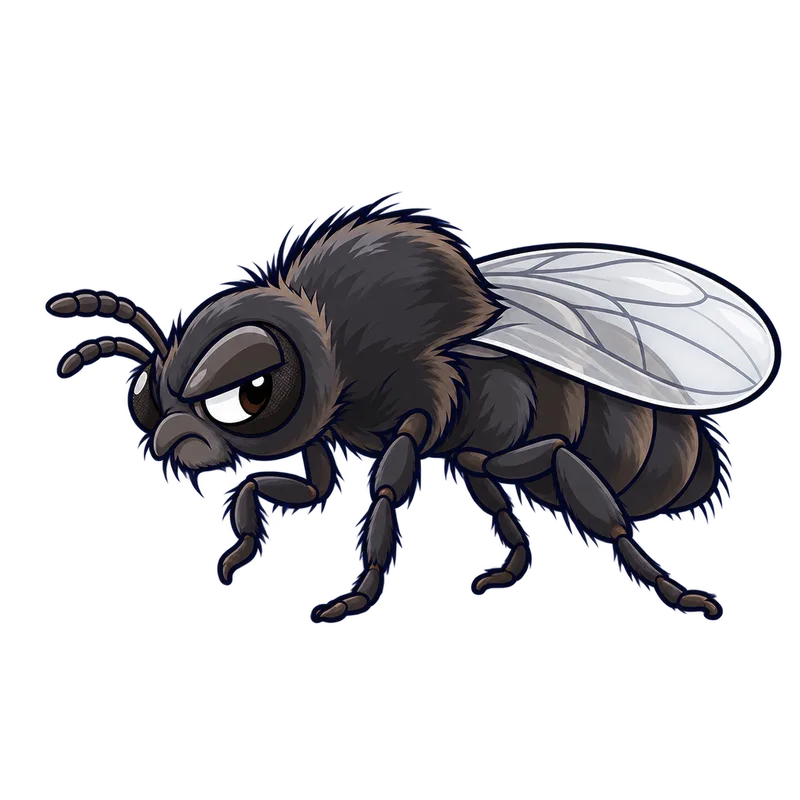
Small black flies on indoor plants are dark-winged fungus gnats that usually arrive in the potting mix as microscopic eggs or larvae. They thrive because overwatered soil creates a warm and humid buffet where they can complete their life cycle in two to three weeks.
What is actually going on
You walk over to water your favorite fiddle-leaf fig, give the pot a gentle nudge, and suddenly a small cloud of tiny black flies lifts off the rim, buzzing lazily around your living room before settling back down on the damp soil. It is an irritating sight, and it makes you wonder how an indoor plant could possibly attract bugs in the middle of a clean house. The short answer is that those small black flies are almost certainly dark-winged fungus gnats. They did not fly in from the far corners of the earth to torment you. They were likely already present in the potting mix as microscopic eggs or larvae, waiting for the right mix of warmth and moisture to complete their life cycle.
To a fungus gnat, an overwatered houseplant looks like a warm, humid buffet where soil fungi proliferate. Female gnats seek out damp organic matter to lay their eggs, and once those hatch, the tiny, translucent larvae settle into the top few inches of the soil. There, they feast on saprophytic fungi, microscopic algae, and decaying organic debris. When indoor temperatures stay comfortable year-round, these pests can go from egg to flying adult in about two to three weeks, meaning a small handful of visitors can quickly turn into a persistent indoor population.
You might wonder how they managed to thrive indoors when your house is otherwise tidy. The culprit is usually a mismatch between how much water your plant actually needs and how often you apply it. During cooler months, indoor plants slow down their growth and drink far less water. If you keep up your summer watering routine, the top layer of soil stays damp for weeks. That soggy sponge effect creates an ideal environment for the larvae, and soon you have a thriving ecosystem right inside your ceramic planter.
How to tell for sure
Before you try to fix the problem, you need to know what you are actually looking at. Fungus gnats are the usual suspects, but a few other tiny insects also show up around indoor plants and can usually be mistaken for them. Fungus gnat adults are tiny, measuring only about one-sixteenth to one-eighth of an inch long. They have slender bodies, long antennae, and a weak, clumsy flight pattern. If you catch one under a good hand lens, you will usually notice a distinctive Y-shaped vein near the tip of each wing. If you inspect the top two or three inches of the potting soil, you might spot their larvae, which usually look like tiny, legless, worm-like creatures with shiny black heads.
Sometimes, however, the flies behaving badly around your plants belong to a different family. Phorid flies, or scuttle flies, look similar at a glance, but they have a noticeable humpbacked thorax and a habit of running erratically across the soil surface rather than flying right away. If you see tiny, moth-like insects resting on nearby walls, you might be dealing with drain flies that drifted over from a damp sink or a neglected plant saucer. Fruit flies also show up near plants if there is decaying fruit or fermenting organic matter nearby, usually giving themselves away with bright red eyes and a stouter body.
If you want to be completely certain, take a close look at how the insects move. Fungus gnats hover and flutter weakly near the soil and windows, while lookalikes often run, scuttle, or hop in distinct ways.
What usually comes next
Once you have figured out you are dealing with fungus gnats, you have to decide whether to simply change how you water or bring in a targeted biological control. The most sensible first step is almost always letting the soil dry out. Dryness is the natural enemy of these pests. Allowing the top few inches of your potting mix to dry completely between waterings starves the larvae of the fungi they eat and deprives the eggs of the moisture they need to hatch. Many indoor gardeners make the mistake of buying ordinary room sprays off the shelf, but those only knock down the adults flying in the air at that exact moment. They leave the soil dwelling larvae completely unharmed, meaning a fresh batch of flies will emerge tomorrow.
If drying out the plant is not enough to break the cycle, or if you are dealing with a heavy infestation on a prized houseplant, you can apply a soil drench containing a specific natural soil bacterium that targets the digestive tracts of fly larvae without harming your plant or your pets. Just make sure you do not grab the wrong garden spray by mistake, as different strains of that bacteria have zero effect on gnats. Yellow sticky cards placed near the soil surface can also act like a handy radar system, showing you how many adults are flying around, though they do nothing to destroy the developing larvae beneath the surface.
When to get help
Most indoor plant fly problems are minor annoyances that you can resolve with a bit of patience and a lighter hand with the watering can, but there are times when you need to look past the flower pot for the real source of the trouble. If you have dried out your plant soil, cleaned the saucers, and treated the pots, but small flies keep appearing in large numbers, the insects might not be coming from your houseplants at all. Persistent swarms can indicate a hidden structural moisture issue, such as a leaking plumbing pipe behind a drywall partition, a cracked drain line beneath a concrete slab, or a damp, stagnant crawlspace.
When tiny flies emerge steadily from wall voids, baseboards, or floor drains rather than plant pots, it is time to call a professional pest control operator or a plumber to investigate the building infrastructure. On the health front, fungus gnats are pure nuisance pests that do not bite humans or transmit diseases, so you do not need to worry about medical treatment for insect bites. However, if you suspect that an allergic reaction, an unusual rash, or respiratory irritation is linked to indoor pests or mold growth in your living space, consult a healthcare professional.