
Why are mosquito larvae found in a pool that looks clean?
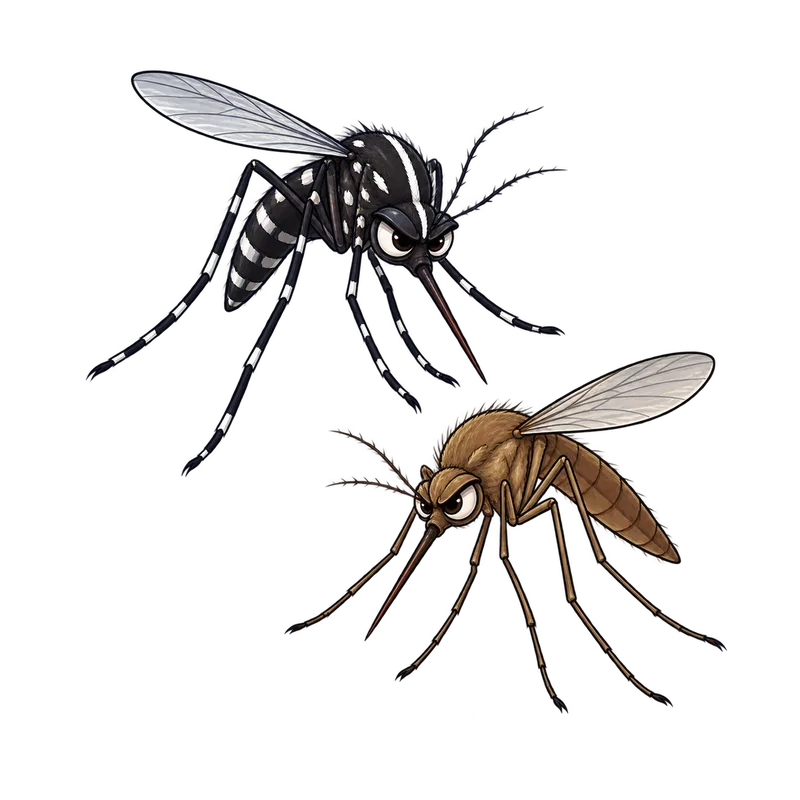
Mosquito larvae are found in a clean pool because visual clarity and biological sterility are two entirely different things. A pool can look transparent while lacking chemical sanitizer or water circulation, which allows female mosquitoes to lay eggs in the still water and leaves invisible microscopic food for the newly hatched insects.
What is actually going on
You walk out to the backyard on a blistering Saturday afternoon, coffee mug in hand, ready to finally take a dip. The water looks completely transparent. You can see every blue tile at the bottom. But then you glance closer at the edge where the skimmer basket sits, and you notice hundreds of tiny, hair-thin worms twisting and jerking their way through the pristine water.
It feels like a contradiction because we assume dirty water breeds pests while clean water protects us. The missing piece is that visual clarity and biological sterility are two entirely different things. A swimming pool can look like glass because it lacks suspended dirt or green algae, but if the chemical sanitizer has faded or the pump has been turned off for a couple of days, that water becomes an invisible nutrient broth for tiny insects.
Female mosquitoes do not check municipal water reports before they lay eggs. They are looking for two specific things, which an uncirculated pool provides in abundance. First, they need still water. Mosquito larvae hang from the surface film using a little breathing tube at their tail end, much like a scuba diver with a snorkel. If your pool pump is running, the churning water acts like a stormy sea that breaks their grip and drowns them. Turn that pump off, and the surface turns into a glassy landing strip.
Second, they need microscopic food. Even in a pool that looks crystal clear to your eyes, the water is carrying microscopic bacteria, fungal spores, pollen grains, and organic dust blown in by the wind. Newly hatched larvae measure less than a millimeter long, and they spend their entire time grazing on this invisible soup. In warm summer weather, the whole cycle moves at an astonishing speed. From the moment an adult female drops a raft of eggs on the water, it takes only seven to ten days for those eggs to hatch, grow through their larval stages, transform into non-feeding pupae, and take flight as biting adults.
How to tell for sure
If you are peering over the edge of the pool and trying to figure out what is swimming back at you, watch how the creatures move. True mosquito larvae, which people often call wrigglers, usually hang downward at an angle from the top of the water and twist themselves in a sharp, frantic shape when something disturbs the surface.
You usually have to rule out a couple of common impostors that homeowners mistake for mosquitoes. One frequent visitor is the midge larva, which usually lives down in the sediment at the bottom of the pool and has a slender, reddish body that does not bite. Another is the springtail, which looks like a dark smudge of floating dust or dirt on the surface film. If you poke a patch of springtails with a stick, the whole colony usually jumps into the air using a specialized forked tail underneath their bellies, whereas mosquito larvae simply dive deeper into the water.
What usually comes next
Your first practical move is restoring water movement and chemical balance, but if the pool is heavily infested right now, you need to deal with the living larvae before they take flight. Skimming them out with a fine net is nearly impossible because those tiny pests slip right through the mesh.
Instead, you can look into targeted biological controls if the pool cannot be immediately chlorinated or drained. Products containing a natural soil bacterium, commonly sold as mosquito dunks or briquets, release spores that only affect the digestive systems of fly and mosquito larvae. They will not harm birds, pets, or humans, and they work quickly to clear out the current generation. Another option is an insect growth regulator that stops larvae from completing their transformation into adults, though it leaves existing pupae alone. Once you have treated the water, turn your filtration pump back on and keep it running for a solid portion of every day to ensure the surface never stays calm enough for a return visit.
When to get help
You should call in a professional or your local vector control district if you are dealing with an abandoned foreclosed property next door, a massive commercial basin, or a neglected pool with structural damage that you cannot safely manage yourself.
Keep in mind that mosquitoes are more than just a backyard annoyance. Certain species can carry viruses like West Nile, while others can transmit tropical pathogens. If someone in your household suffers severe allergic reactions from bites, or develops a high fever and intense headaches in the weeks following a heavy infestation, consult a clinician right away. For pet owners, remember that mosquitoes transmit heartworm to dogs and cats, so your veterinarian is the right person to talk to about keeping your animals protected with proper preventive medications.