
Crickets & Mole Crickets
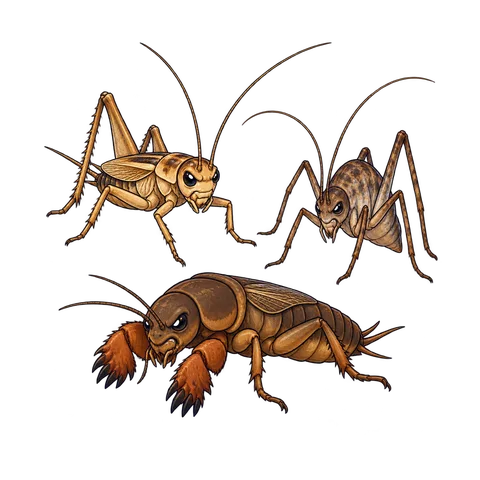
What pulls house crickets, basement-dwelling camel crickets, yard field crickets, and subterranean mole crickets into a single group is a shared family trait that anyone who has ever tried to catch one can recognize immediately, which is an overall body plan built around heavy jumping legs or specialized digging claws. Even though they all belong to the same insect order, they split into entirely different lifestyles once you look closer, ranging from the loud, flat-backed chirpers behind your water heater to the silent, humpbacked jumpers in a damp crawl space and the torpedo-shaped diggers tunneling underneath your turfgrass.
Distinguishing these creatures from common lookalikes usually comes down to a few obvious giveaways, such as noticing that unlike flat, shield-headed cockroaches, crickets either leap powerfully or tunnel heavily, while unlike carrot-shaped silverfish that wriggle like fish across a basement floor, crickets have distinct legs built for jumping or spade-like front claws. If you find something with heavy pincers at the rear, you are looking at an earwig rather than a field cricket, and if you spot a bright green insect sitting on outdoor foliage with ultra-long antennae, you have a katydid instead of a pest trying to find warmth indoors.
Explore crickets & mole crickets
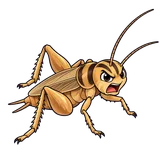 House cricketAcheta domesticus
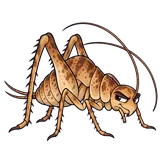 Camel cricketsFamily Rhaphidophoridae
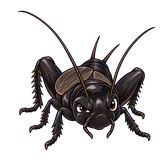 Field cricketsGryllus species
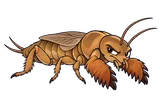 Mole cricketsFamily Gryllotalpidae